
The Other Japan: Your Ultimate Okinawa 2026 Guide
"Everyone goes to Tokyo. The smart travelers go to Okinawa — Japan's tropical secret that most people don't know exists."
When most people think of Japan, they picture bullet trains, cherry blossoms in Tokyo, and ramen in Osaka. All wonderful, all worth it. But there's a completely different Japan hiding 1,500 kilometers to the southwest — a chain of 150 subtropical islands where the water is Caribbean-blue, the castles predate the samurai, and the locals credit their diet for some of the longest life spans on Earth.
Welcome to Okinawa. And in 2026, it's having its moment. Global search interest surged 71% year-over-year — travelers are finally catching on to what Japan enthusiasts have whispered about for years. Here's your complete guide to doing it right, before the crowds arrive.
Why Okinawa in 2026? (The Case for Going Now)
Okinawa sits in a peculiar sweet spot: it's genuinely extraordinary, but it still hasn't been fully discovered by international tourists. While Tokyo's famous neighbourhoods now require advance reservations to walk through and Kyoto is overrun during every cherry blossom season, Okinawa's beaches remain uncrowded, its prices reasonable, and its people genuinely welcoming of visitors.
Three things are driving the surge in interest right now. First, new direct flight routes from Southeast Asia and expanded connections from Tokyo have made it more accessible. Second, the post-Expo Japan hype — following Osaka's wildly successful Expo 2025 — pushed travelers to explore beyond the mainland. Third, a growing desire for slower, more meaningful travel is steering people toward destinations that feel alive, not staged.
Okinawa is the most-searched rising destination in Japan for 2026. This is your window — before major hotel chains move in, before influencer crowds arrive, before the prices go up. The locals we spoke to estimate a 2–3 year window before international tourism reaches Bali or Santorini levels.
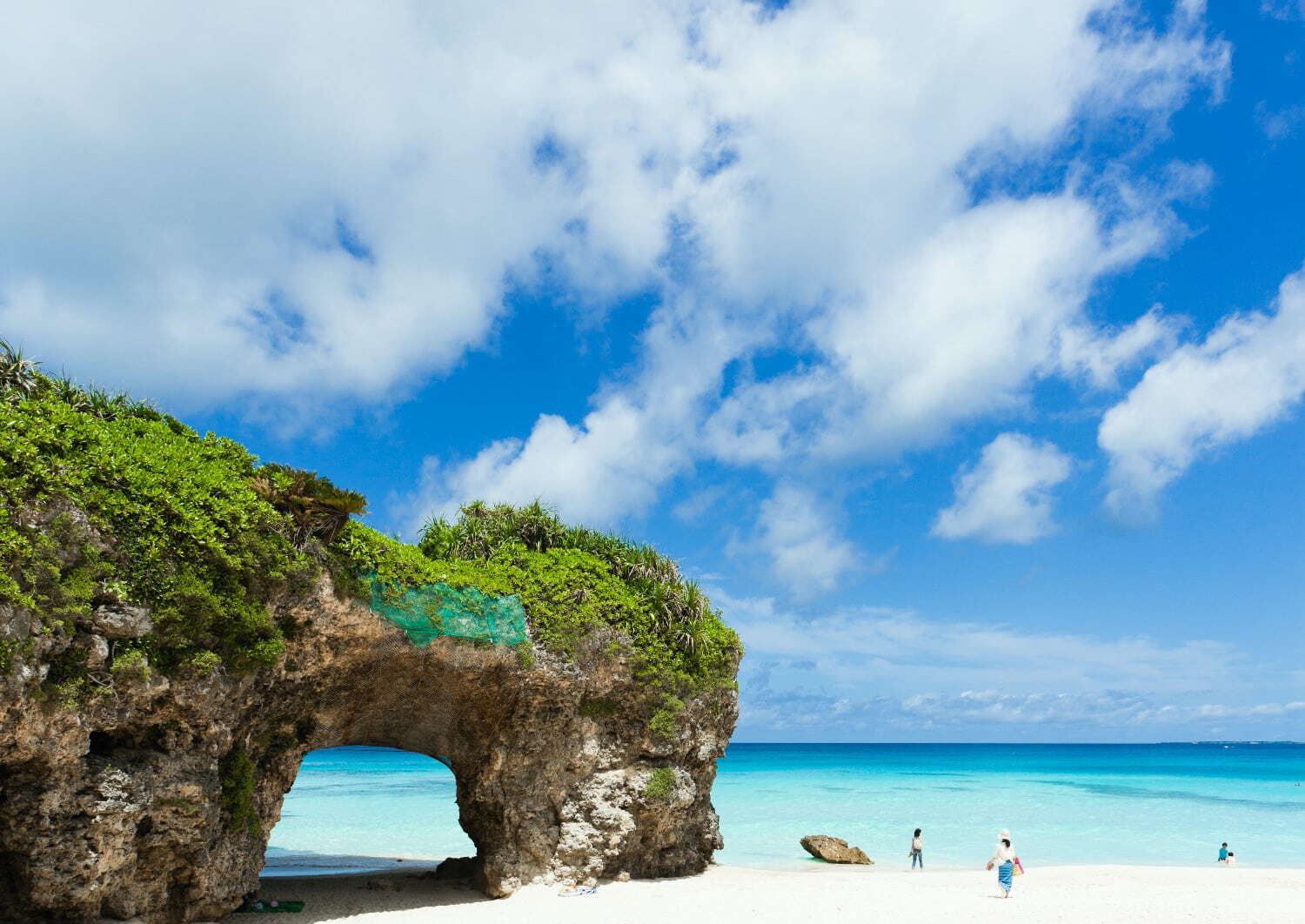
Okinawa's beaches rival Thailand and the Maldives — at a fraction of the cost and the crowds
When to Visit Okinawa: The Honest Seasonal Guide
Okinawa doesn't follow the same seasonal rhythms as mainland Japan. Ignore the standard "Japan travel" advice — it was written for Tokyo. Here's the real breakdown:
The Islands: Where to Go in Okinawa
Most travelers land in Naha, spend a day or two, and then make the critical decision: which island to visit next. Here's how the major options break down:
The hub. Home to Naha's Kokusai Street, Shuri Castle, and the American Village. Best for first-timers who want history + beaches.
The crown jewel. Water so clear it doesn't look real. Haemida Beach rivals the Maldives. Essential for divers and beach lovers.
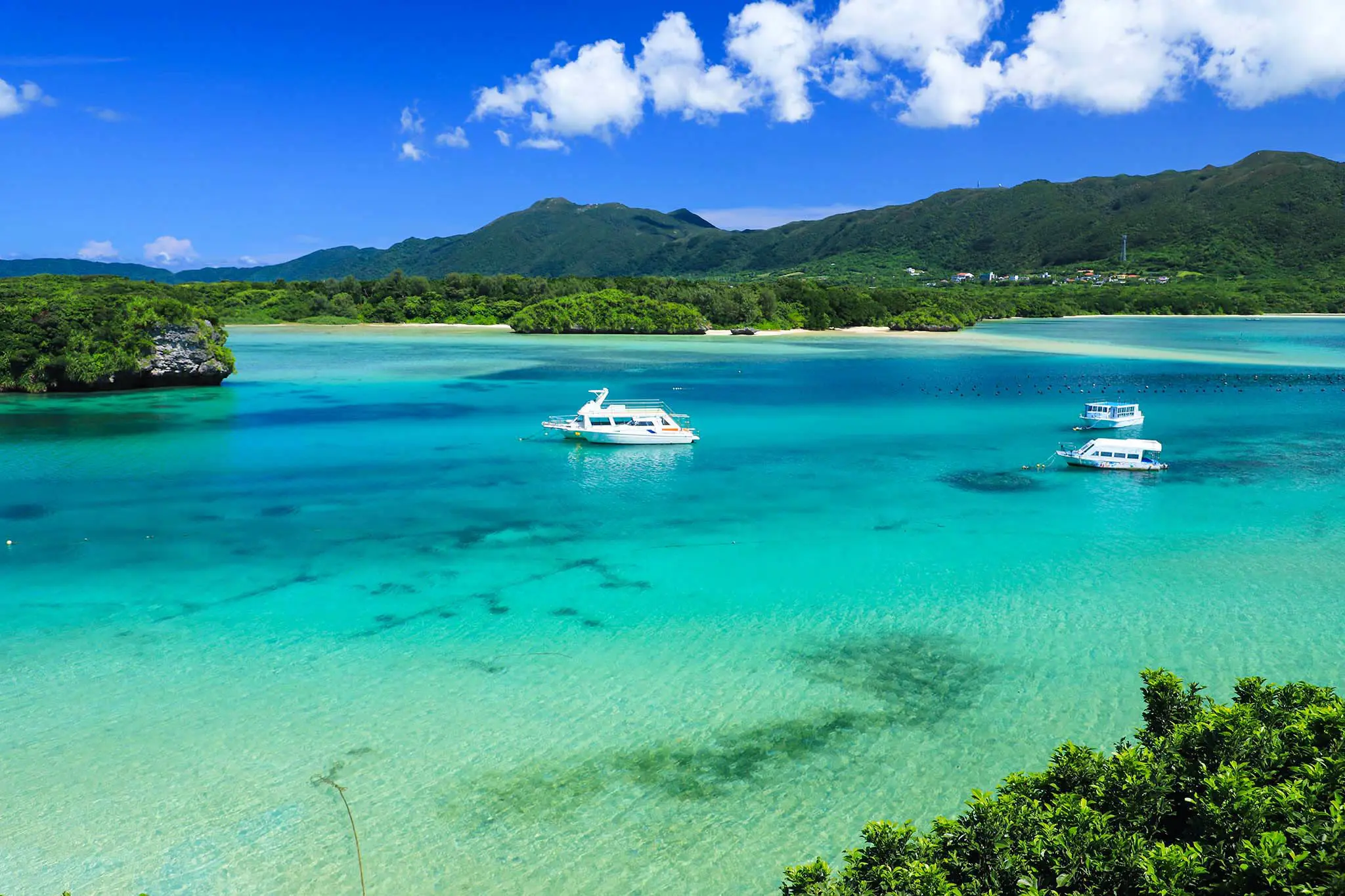
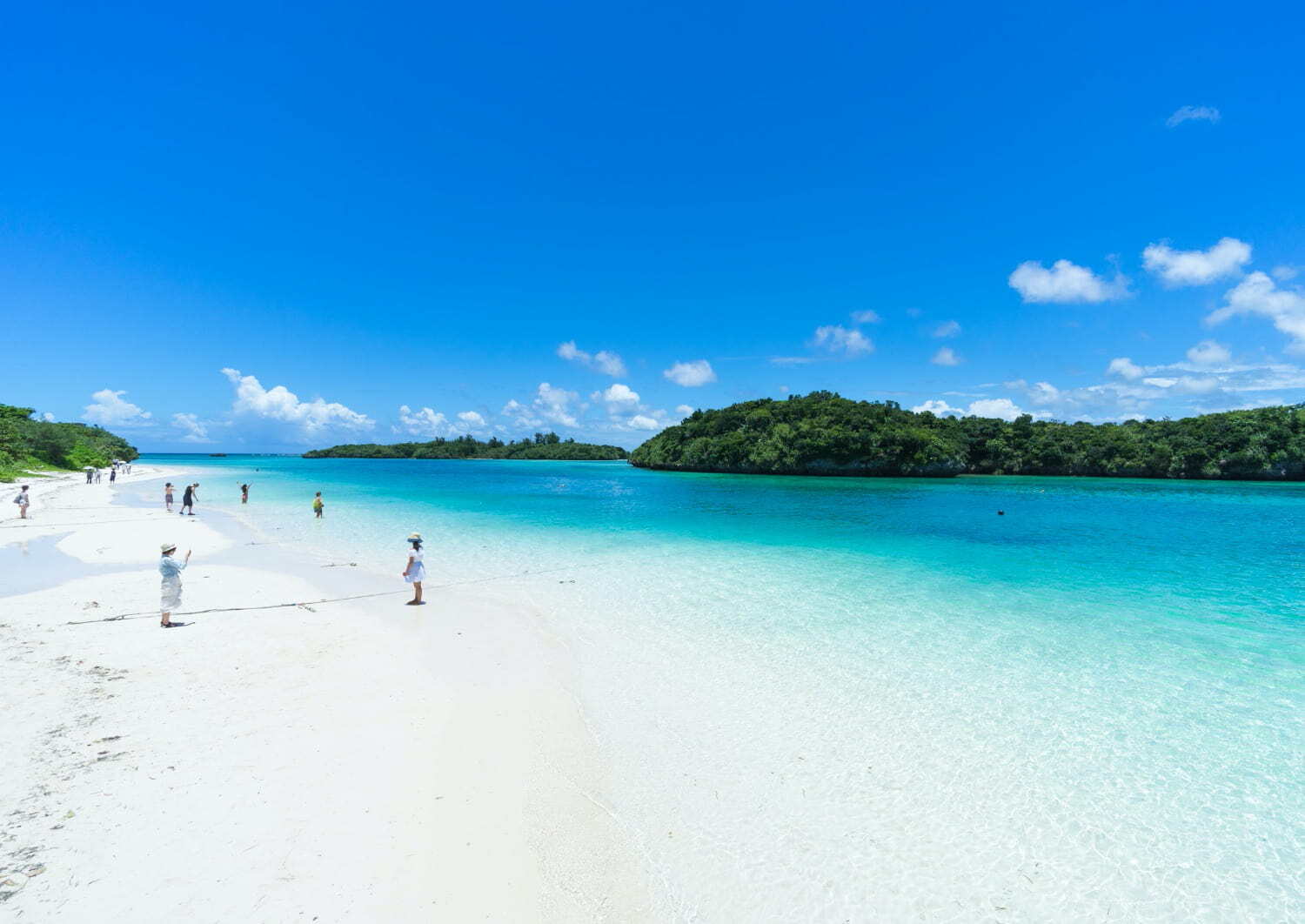
Gateway to the remote Yaeyama islands. Excellent diving, mangrove kayaking, and the wildly photogenic Kabira Bay.
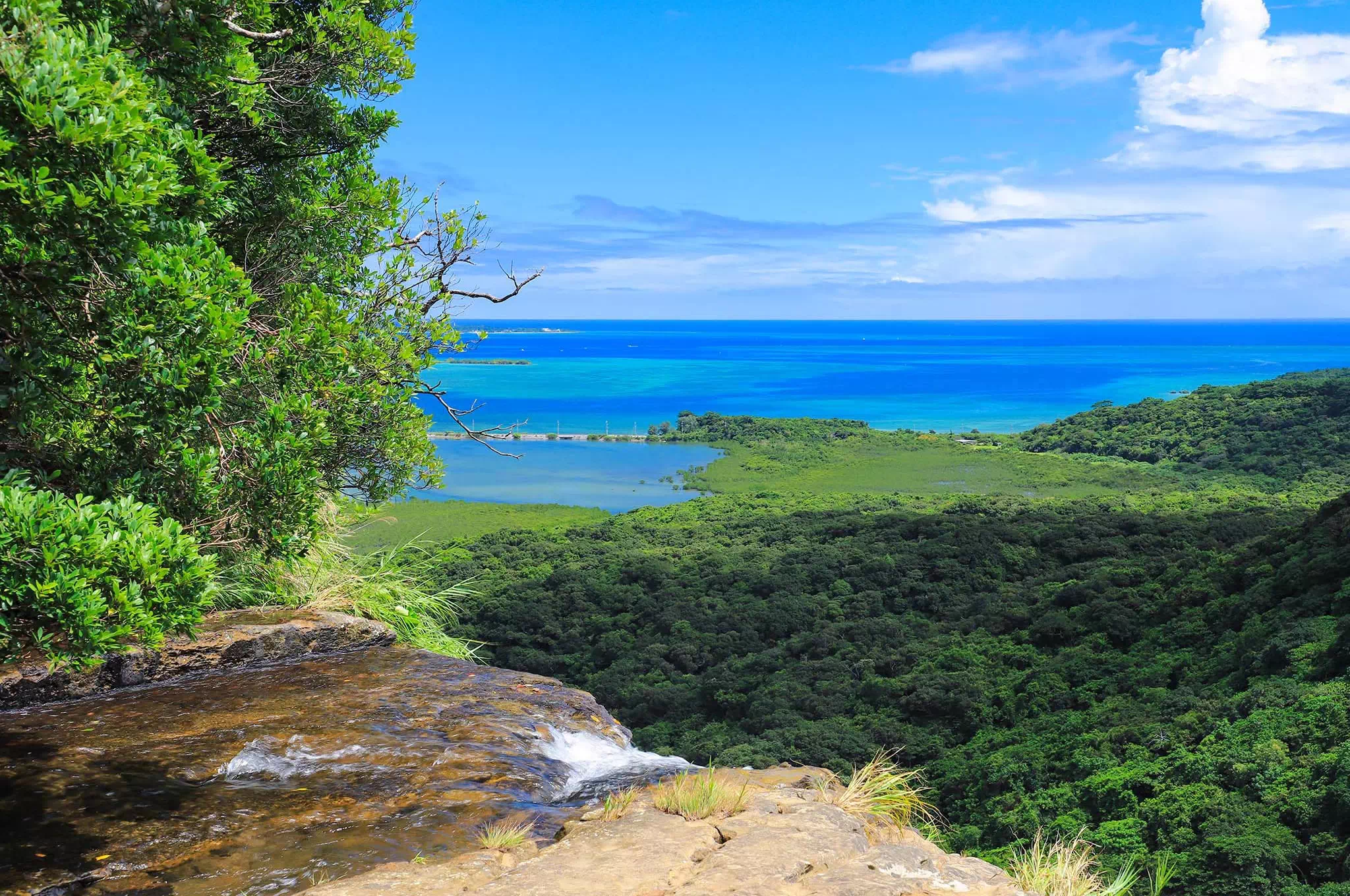
90% virgin jungle. Home to the extremely rare Iriomote wildcat. For travelers who want to feel genuinely off-the-map.
Shuri Castle & History: The Forgotten Kingdom
Okinawa was not always Japanese. For nearly 450 years, from 1429 to 1879, the Ryukyu Kingdom was an independent civilization that played China, Japan, and Southeast Asia off each other in a delicate diplomatic game that made these tiny islands extraordinarily prosperous. The proof is Shuri Castle in Naha — a UNESCO World Heritage site that looks unlike anything else in Japan.
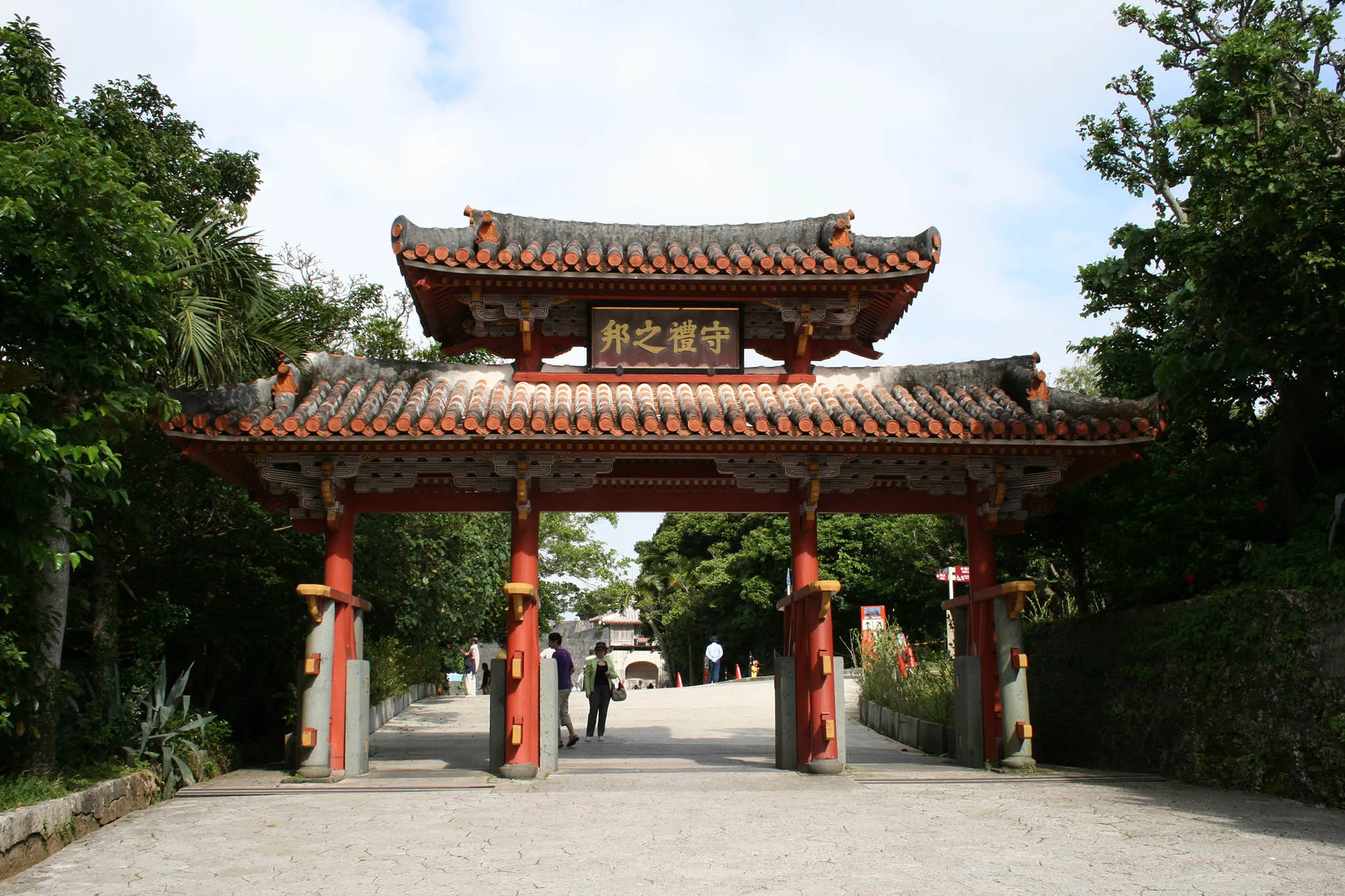
Shuri Castle — the restored heart of the ancient Ryukyu Kingdom, UNESCO World Heritage Site
Shuri Castle was largely destroyed in WWII, then painstakingly rebuilt and opened in 1992, only to partially burn down again in 2019. But as of 2026, the main hall (Seiden) has been fully restored — more resplendent than ever in its distinctive red-lacquered, Chinese-influenced architecture. The restoration used traditional craftspeople and methods, making it as much a living monument to Ryukyuan craftsmanship as to history.
Beyond Shuri, the islands are dotted with gusuku (Ryukyuan castles) in various states of ruin — many of them dramatically positioned on clifftops overlooking the sea, with nothing but silence and wind for company. Nakagusuku Castle, Katsuren Castle, and Cape Zanpa are all worth half-days of exploration.
Diving & Snorkeling: The Real Reason to Come
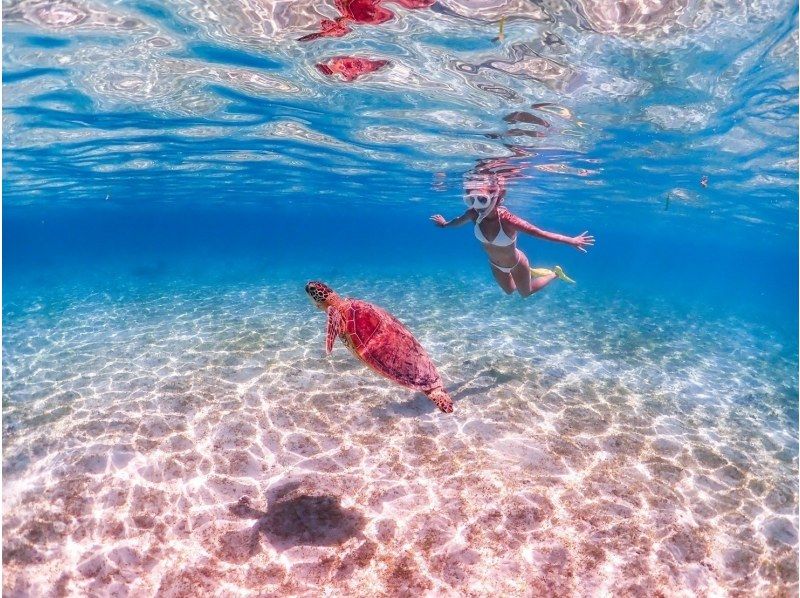
Let's be honest: Okinawa's underwater world is the main event. The Kerama Islands — just 30km west of Naha — are protected as a national park and are widely considered among the top 5 diving destinations in all of Asia. Visibility routinely exceeds 30–40 meters. The coral reefs are intact. Sea turtles are so common you stop getting excited after the second day.


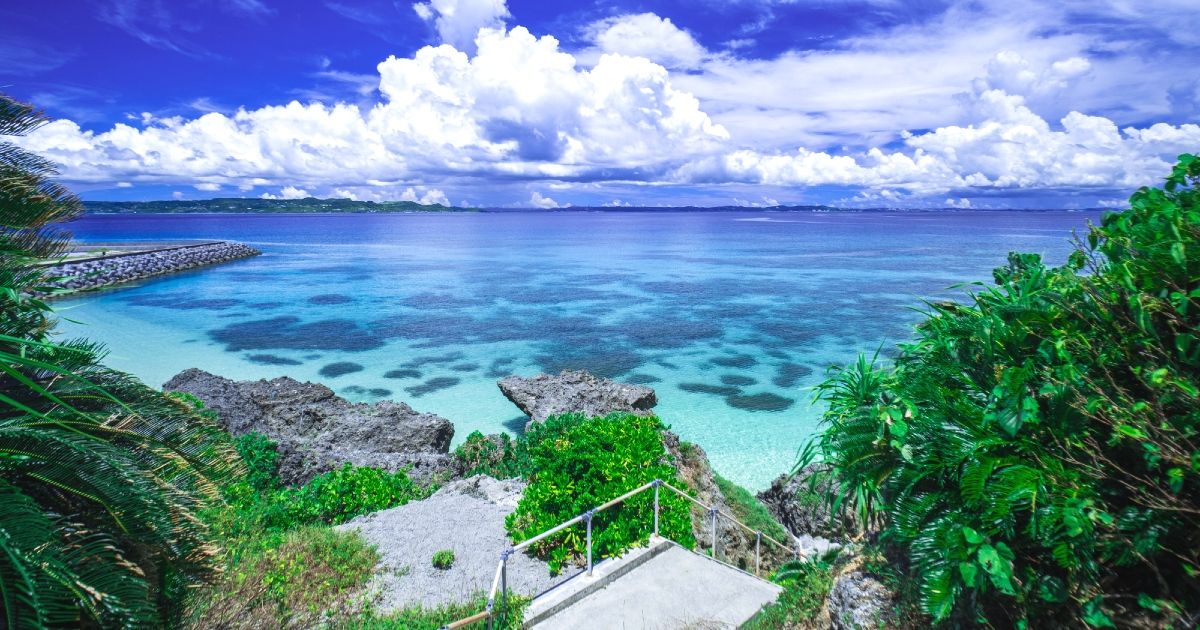
Left: Sea turtles on Miyakojima's reefs. Right: The otherworldly waters around Ikema Bridge, Miyako Island.
Even non-divers will find Okinawa exceptional. Many of the best snorkeling spots are accessible by wading from the beach — you don't need a boat. Blue Cave (Aona) near Cape Maeda on the main island is a legendary snorkel destination where sunlight refracts off the ocean floor and illuminates the cave in electric blue.
Best dive sites: Kerama Islands, Cape Maeda, Miyakojima, Ishigaki. Dive season: year-round, but April–June and October–November have best visibility. Whale sharks are seen off Iriomote from June–September. Most dive shops offer guided tours from ¥8,000–¥15,000 (≈$55–100) including equipment.
Okinawan Food: An Entirely Different Cuisine
Okinawan food is not Japanese food. This is a vital distinction that surprises most first-time visitors. Mainland Japanese cuisine is rooted in subtlety, umami, and restraint. Okinawan cuisine is bold, pork-heavy, influenced by Chinese cooking techniques, and shot through with tropical ingredients that don't exist anywhere else in Japan. The prefecture has the world's highest concentration of centenarians — locally attributed partly to the traditional diet.
-
🍜
Okinawa SobaNothing like mainland soba. Thick wheat noodles in a clear pork and bonito broth, topped with slow-braised pork belly (sōki) and fish cake. The unofficial dish of Okinawa.
-
🥢
Goya ChampuruBitter melon stir-fried with tofu, egg, and SPAM (yes — American military influence is everywhere). The dish locals eat daily and credit for their longevity.
-
🐷
RafutePork belly braised in awamori (local spirit) and soy sauce for hours until it trembles at the touch of chopsticks. Served at nearly every traditional restaurant.
-
🥬
Sea Grapes (Umi-budō)Tiny, translucent green spheres that pop in your mouth like caviar. A delicacy unique to Okinawa — almost impossible to find elsewhere in Japan.
-
🍶
AwamoriOkinawa's distilled spirit, made from Thai long-grain rice. Similar to shochu but more complex. Aged versions (called kusu) can rival a fine whisky.

Okinawa soba — with its thick wheat noodles and rich pork broth — is unlike any soba you've tasted on the mainland
7-Day Okinawa Itinerary (Best of Main Island + Outer Island)
Arrive in Naha — Kokusai Street & First Soba
Land at Naha Airport (OKA), check in, and walk the length of Kokusai Street — 1.6km of covered shopping lined with awamori shops, restaurants, and souvenir stalls. Dinner: your first bowl of soba at Makishi Public Market.
Shuri Castle & Ryukyu Kingdom History
Spend the morning at Shuri Castle (arrive at opening, 8:30am, to beat crowds). Afternoon: Shikinaen Garden and the neighbourhood of Tsuji. Evening: awamori tasting at a local izakaya.
Blue Cave & Cape Maeda Snorkeling
Early morning drive to Cape Maeda. Morning snorkel at Blue Cave — arrive before 9am, before tour groups arrive. Afternoon: Manza Beach and American Village for a casual evening.
Northern Okinawa — Jungle & Churaumi Aquarium
Drive north to Yanbaru — a UNESCO-listed subtropical jungle. Churaumi Aquarium (one of the world's largest whale shark tanks) in the afternoon. Stay overnight in Nago if budget allows.
Fly to Miyakojima — The Crown Jewel
45-minute flight from Naha to Miyakojima (book in advance). Day 5: Sunayama Beach and Higashi-Hennazaki Cape. Day 6: half-day snorkeling tour with sea turtles, Ikema Bridge sunset. These are the days you'll talk about for years.
Return to Naha — Last Meals & Departure
Fly back to Naha. A final morning walk through Tsuboya pottery district. Buy your sea grapes and awamori at the market before heading to the airport.
Budget Breakdown: How Much Does Okinawa Cost?
Okinawa is meaningfully cheaper than Tokyo — and dramatically cheaper than similar-quality beach destinations like the Maldives or Thailand's Koh Samui. Here's what to realistically expect in 2026:
A realistic budget traveler spending carefully can manage $65–85/day including accommodation, food, local transport, and one activity per day. A mid-range traveler spending more comfortably should budget $120–180/day. This includes a good hotel, two restaurant meals, and regular activities.
✈️ 10 Essential Okinawa Travel Tips
- Rent a car. Public transport is limited outside Naha. A rental car unlocks hidden beaches and ruins no bus reaches.
- Visit Blue Cave before 9am. After that, tour boats arrive and visibility drops from crowds.
- Get travel insurance. Typhoon season is real, and flight cancellations in summer are common. We recommend Aviyoo's travel insurance.
- Grab an eSIM before flying. Local data is essential for navigation between islands.
- Drink awamori responsibly. The aged kusu varieties are deceptively smooth and very strong.
- Don't touch the sea turtles. Guides will take you close enough — touching stresses the animals and damages their immune systems.
- Learn a few words of Uchinaaguchi (Okinawan dialect). Locals light up when visitors attempt it. "Mensōre!" means "Welcome!"
- Carry cash. Many rural restaurants and dive operators are cash-only.
- Use reef-safe sunscreen. Okinawa's coral reefs are recovering — standard chemical sunscreens actively damage them.
- Book ferries to outer islands 2–4 weeks in advance during Golden Week (late April–early May) — they sell out completely.
Getting There: Flights to Okinawa in 2026
Naha Airport (OKA) is the main gateway. From Tokyo (Haneda or Narita), flights take about 2.5 hours and run dozens of times per day — prices start around ¥6,000–¥15,000 ($40–100) on budget carriers like Peach Air or Jetstar Japan if booked 4–8 weeks ahead.
For international visitors, the most common routing is to fly into Tokyo or Osaka and connect. Direct international flights to Naha from Taipei, Seoul, Hong Kong, and Bangkok were expanded in 2025, making routing much easier than it was even two years ago.
From Naha, reaching the outer islands is done by short domestic flight (40–60 minutes) or ferry. Miyakojima, Ishigaki, and Iriomote all have regular connections. Check Aviyoo's flights page to compare all options and carriers at once.
Ready to Book Your Okinawa Trip?
Compare hundreds of flights, hotels, and guided tours to Okinawa — all in one place. Aviyoo partners with Trip.com, GetYourGuide, and more to find you the best deals.